Call Today - 24/7 Emergency Services


Storm Damage Restoration
Professional storm damage restoration for wind damage, water intrusion, roof leaks, fallen debris, exposed openings, wet materials, temporary protection, and property stabilization.
Serve Xpert helps residential, commercial, and multi-unit properties respond to storm damage caused by heavy rain, high winds, fallen debris, wind-driven rain, roof damage, broken openings, and storm-related water intrusion across Maryland, Pennsylvania, Delaware, and Northern Virginia.
How Storm Damage Affects Homes and Buildings
Severe storms can damage homes and buildings through heavy rain, high winds, fallen debris, hail, roof damage, siding damage, broken openings, and water intrusion.
Storm damage often starts outside but becomes an interior water problem quickly. Openings in roofing, siding, windows, doors, flashing, vents, seals, and penetrations can allow water to enter the structure and affect ceilings, walls, insulation, flooring, cabinets, basements, crawlspaces, and hidden cavities.
Wind-driven rain can travel into areas that are not obvious at first. Even when visible damage appears limited, trapped moisture may remain inside building materials and contribute to odor, staining, material deterioration, microbial growth conditions, and secondary damage.
Storm water can also involve debris, soil, organic matter, sewage, groundwater, or other contamination depending on the source and path of entry. When contaminated or unsanitary conditions are present, cleaning, sanitizing, disinfecting, or antimicrobial treatment may be needed.
Because storm damage can involve exterior exposure, interior water intrusion, debris, wet materials, contamination concerns, and safety issues at the same time, professional storm damage restoration should begin with inspection, temporary protection, mitigation, drying, and documentation.
Types of Storm Damage
Storm damage is not all the same. The cause, affected materials, water source, exposure time, building condition, contamination level, and safety concerns can change the restoration approach.
Wind Damage
High winds can damage roofing, siding, flashing, trim, gutters, windows, doors, and exterior building materials. Wind can also create openings that allow rain to enter the structure.
Wind-Driven Rain
Wind-driven rain can push water behind siding, through damaged roofing, around windows, through doors, into attics, wall cavities, ceiling materials, insulation, and flooring systems.
Roof Leaks & Openings
Storm-related roof damage can allow water to enter attics, ceilings, insulation, drywall, framing, and interior spaces. Temporary protection may be needed before permanent repair.
Fallen Debris
Tree limbs, branches, exterior materials, and storm debris can damage roofing, siding, windows, doors, gutters, fences, and surrounding areas.
Flooding & Groundwater Intrusion
Heavy rain, saturated ground, sump pump failure, groundwater intrusion, and hydrostatic pressure can push water into basements, crawlspaces, lower levels, and porous masonry.
Snow, Ice & Freeze-Related Storm Damage
Ice dams, melting snow, refreezing, and heavy snow loads can affect roofing, gutters, insulation, ceilings, walls, decks, patios, carports, and weakened structures.
How Storm Water Moves Through a Property
Storm water does not always stay near the visible opening. It can move through roof assemblies, attic insulation, ceiling cavities, wall cavities, flooring systems, cabinets, baseboards, basements, crawlspaces, and adjacent rooms.
Water can also enter through cracks, joints, porous masonry, foundation openings, sump pump failure, groundwater seepage, or storm-related ground saturation.
Moisture can spread as vapor when humidity rises inside the building. This can affect contents, closets, HVAC-related areas, nearby rooms, and materials that were not directly touched by standing water.
A proper storm damage inspection should review visible openings, water pathways, hidden moisture, wet materials, odor, humidity, temperature, debris, safety concerns, contamination concerns, and the potential for secondary damage.

Materials, Contents & Hidden Areas
The right storm damage restoration plan depends on what materials were affected, how water entered, how long moisture has been present, and whether debris or contamination is involved.
Porous Materials
Drywall, insulation, carpet, padding, fabrics, paper goods, upholstery, and some contents can absorb storm water quickly. These materials may require drying, cleaning, removal, disposal coordination, or documentation depending on condition.
Semi-Porous Materials
Wood framing, sheathing, subflooring, cabinets, concrete, brick, and similar materials can hold moisture below the surface. These materials may require moisture monitoring, managed drying, cleaning, or selective removal.
Non-Porous Materials
Metal, glass, ceramic, sealed surfaces, and hard plastics may be cleaned and dried when accessible and when the surface condition allows.
Contents & Personal Property
Furniture, clothing, documents, electronics, tools, stored items, and business contents may require evaluation, drying, cleaning, inventory, disposal coordination, or documentation.
Hidden Spaces
Storm water can affect attics, ceiling spaces, wall cavities, crawlspaces, basements, cabinets, closets, underlayment, insulation, subfloors, HVAC-related areas, and areas behind trim or baseboards.
Secondary Damage From Storm Intrusion
Secondary damage can occur when storm openings, wet materials, debris, humidity, or water intrusion are not addressed quickly.
This may include trapped moisture, staining, odor, swelling wood, warped flooring, damaged drywall, wet insulation, microbial growth conditions, affected contents, contamination spread, and material deterioration.
Board-up and tarping are temporary protection steps, not permanent repairs. Professional storm damage restoration should help stabilize exposed areas, address water intrusion, remove affected materials when needed, dry the structure, and document the work performed.
WHAT WE DO
Professional Storm Damage Restoration
Serve Xpert provides storm damage restoration focused on temporary protection, storm damage cleanup, water mitigation, wet material handling, debris removal, structural drying, odor control, and documentation.
Our approach focuses on identifying storm openings, reducing active water intrusion, stabilizing affected areas, removing debris or wet materials when needed, drying affected materials, and documenting observed conditions.
Temporary Protection
Serve Xpert can provide emergency board-up, roof tarping, opening protection, and temporary stabilization to help reduce additional exposure until permanent repairs are completed by the appropriate repair professional.
Water Mitigation & Drying
When storm water enters the structure, Serve Xpert performs water mitigation, moisture detection, wet material handling, drying equipment setup, structural drying, and moisture documentation.
Cleanup & Documentation
Storm damage cleanup may include debris removal, wet material cleanup, affected-area cleaning, odor control, sanitizing or disinfecting when conditions require it, damage documentation, and next-step recommendations.
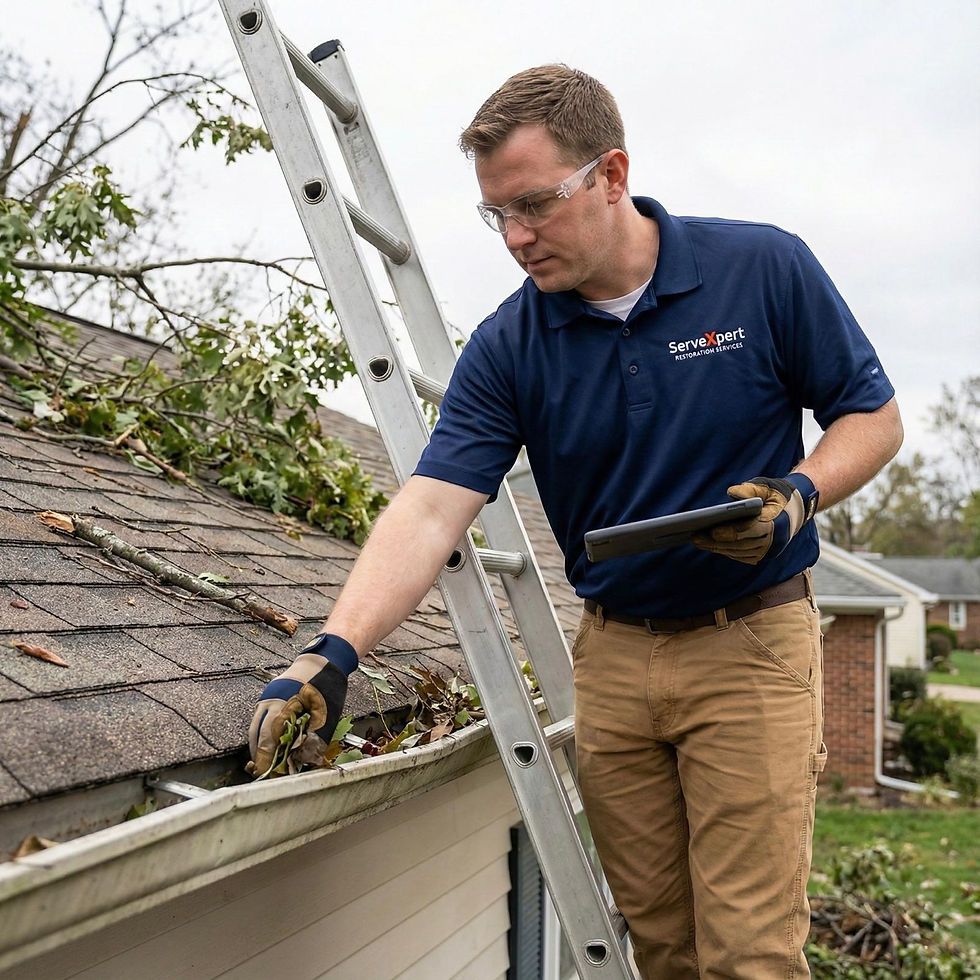
Storm Damage Restoration Services
Storm damage restoration work is based on the affected areas, visible openings, water intrusion, debris, wet materials, contamination concerns, safety concerns, access, and the work required at the property.
Services can include: Emergency Board-Up, Roof Tarping, Storm Damage Cleanup, Water Mitigation, Wet Material Cleanup, Surface Cleaning, Structural Drying, Damage Documentation
Temporary Protection & Stabilization
-
Emergency Board-Up
-
Roof Tarping
-
Opening Protection
-
Temporary Protection
-
Property Stabilization
-
Damage Documentation
Water Intrusion & Drying
-
Water Mitigation
-
Water Extraction
-
Moisture Detection
-
Wind-Driven Rain Cleanup
-
Wet Material Cleanup
-
Structural Drying
-
Moisture Documentation
Cleanup & Debris Removal
-
Storm Damage Cleanup
-
Debris Removal
-
Fallen Debris Cleanup
-
Affected Area Cleaning
-
Wet Material Removal
-
Odor Control
-
Completion Documentation

HOW WE PERFORM THIS SERVICE
Serve Xpert follows an organized storm damage restoration process designed to stabilize the property, reduce water intrusion, protect exposed areas, remove debris, dry affected materials, and document the project.
Not every storm project requires the same level of tarping, board-up, water extraction, material removal, drying, cleaning, sanitizing, disinfecting, or antimicrobial treatment. The process depends on the source, affected materials, moisture level, contamination concerns, safety conditions, access, and service needs.
Initial Assessment & Safety Evaluation
We review affected areas, visible openings, water pathways, debris, wet materials, contamination concerns, safety concerns, access needs, and observed storm damage.
Temporary Protection
When needed, roof tarping, board-up, opening protection, and temporary stabilization may be used to help reduce additional weather exposure.
Debris Removal & Site Clearing
Broken materials, fallen debris, glass, wet debris, and other hazards may be removed based on condition, access, safety, and written scope.
Water Mitigation
Standing water, wet materials, and moisture-affected areas are addressed to help stabilize the property and reduce further damage.
Moisture Detection & Mapping
Moisture meters, thermal imaging when applicable, and documented readings help identify visible and hidden moisture inside affected areas.
Wet Material Handling
Wet, damaged, contaminated, or non-salvageable materials may be removed or documented when required by condition, moisture exposure, contamination concerns, safety concerns, or written scope.
Cleaning & Odor Control
Affected areas may be cleaned, debris removed, odor addressed, and surfaces prepared for the next stage of recovery.
Sanitizing, Disinfecting & Treatment When Needed
When storm damage involves contaminated water, sewage, organic debris, odor, or unsanitary conditions, sanitizing, disinfecting, or antimicrobial treatment may be performed based on the service needs and product label directions.
Structural Drying
Drying equipment, air movement, dehumidification, and moisture monitoring may be used to dry affected materials and stabilize indoor conditions.
Final Review & Completion Documentation
Serve Xpert reviews the completed service and provides documentation for customer records, insurance-related records, real estate files, or property management needs.
Why Customers Choose Serve Xpert
The Serve Xpert Standard
Serve Xpert brings structure, documentation, and accountability to storm damage restoration.
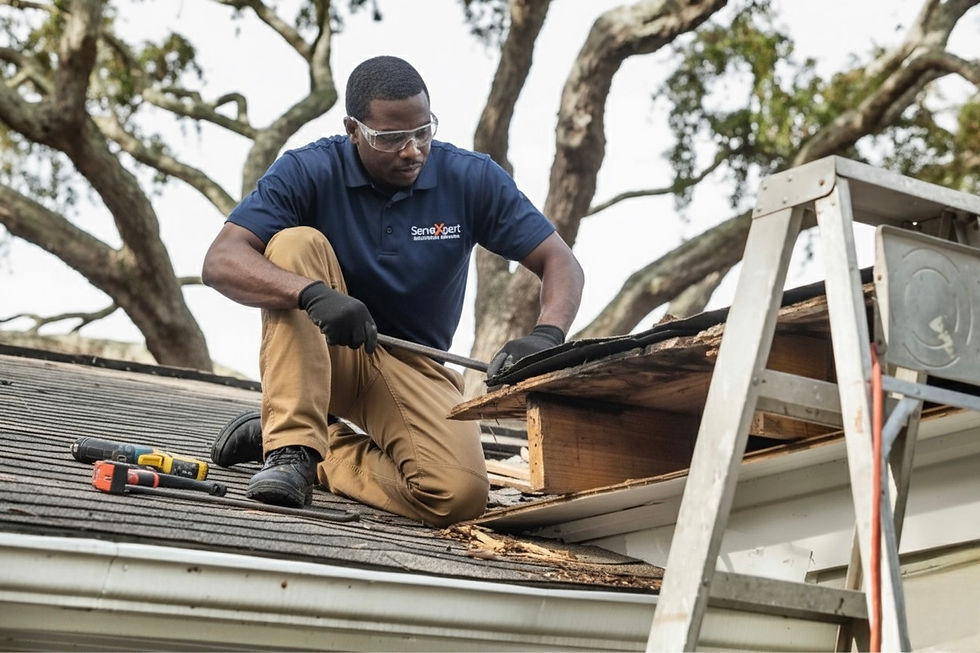
Fast Storm Response
Storm damage can expose a property to additional water, debris, and environmental damage. Serve Xpert responds to help stabilize affected areas and reduce secondary damage.
Temporary Protection
Emergency board-up, roof tarping, opening protection, and temporary stabilization may be used to help limit additional exposure.
Moisture-Based Decisions
Water mitigation and drying plans are based on moisture readings, affected materials, site conditions, humidity, temperature, and documented observations.
Professional Equipment
Equipment may include moisture meters, thermal imaging cameras, extraction tools, air movers, dehumidifiers, containment materials when needed, board-up materials, cleaning tools, odor-control equipment, and documentation tools.
Clear Documentation
Documentation can include photos, notes, moisture readings, storm damage findings, affected-area details, stabilization records, estimates, recommendations, invoices, Certificates of Completion, and completion summaries.
Residential & Commercial Service
Serve Xpert supports single-family homes, multi-unit properties, rental properties, managed properties, offices, retail spaces, commercial buildings, and storm-affected properties.
DOCUMENTATION & REPORTING
Serve Xpert provides organized documentation for transparency, customer records, insurance records, real estate needs, property management records, and project files.
Documentation can include:
-
Photo Documentation
-
Observed Condition Notes
-
Storm Damage Findings
-
Moisture Readings
-
Water Intrusion Observations
-
Temporary Protection Notes
-
Stabilization Records
-
Affected-Area Details
-
Material Condition Notes
-
Debris Removal Notes
-
Findings & Recommendations
-
Scope of Work Details
-
Service Records
-
Estimates
-
Invoices
-
Project Progress Notes
-
Before-and-After Documentation
-
Certificate of Completion
-
Completion Summary
-
Insurance or Real Estate Documentation
Serve Xpert documents observed conditions, explains recommended next steps, and provides clear records for the work performed. We remain focused on the property owner’s needs, the documented conditions, and the services required at the property.
Insurance-related documentation is provided through organized records and scope clarity. Serve Xpert does not represent the insurance carrier and does not control coverage decisions, approvals, or claim outcomes.
.jpg)
Flexible Payment & Financing Options
Unexpected storm damage can be stressful. Paying for restoration work should not make the situation harder.
Financing is available through Wisetack. Customers can review options and prequalify without impacting their credit score. Terms and rates are personalized based on approval.
All financing is subject to credit approval. Terms may vary based on individual qualifications.
SERVICE AREA
Serve Xpert provides storm damage restoration, emergency board-up, roof tarping, water mitigation, wet material cleanup, debris removal, structural drying, and documentation across Maryland, Pennsylvania, Delaware, and Northern Virginia.
Maryland
Serving Baltimore City, Baltimore County, Harford County, Cecil County, Anne Arundel County, Howard County, Montgomery County, Prince George’s County, Carroll County, Kent County, Queen Anne’s County, and surrounding communities.
Pennsylvania
Serving York County, Lancaster County, Chester County, Delaware County, Montgomery County, Berks County, Bucks County, Lebanon County, Dauphin County, Philadelphia County, and nearby areas.
Delaware
Serving New Castle County, Kent County, Sussex County, Wilmington, Newark, Dover, Middletown, and surrounding areas.
Northern Virginia
Serving Northern Virginia communities including Arlington County, Fairfax County, McLean, and nearby areas based on location, urgency, scheduling, and project conditions.
Common Questions About Storm Damage
Request Storm Damage Restoration
Storm damage can expose a property to water intrusion, debris, wet materials, odor, contamination concerns, and secondary damage. Contact Serve Xpert for temporary protection, storm damage cleanup, water mitigation, structural drying, and documentation.
Storm Damage Can Combine Water, Electrical, Structural & Biological Hazards
Storm losses rarely involve only one visible problem. Wind-driven rain can wet insulation, ceilings, wall cavities, flooring, and contents. Rising water can carry sewage, soil, chemicals, debris, and microorganisms. Damaged electrical systems, downed lines, unstable ceilings, broken glass, displaced animals, contaminated droppings, and hidden regulated building materials can change how the property should be entered and stabilized.
Floodwater Should Not Be Judged by Appearance
Clear-looking floodwater is not automatically sanitary. The water may have contacted streets, soil, sewer systems, fuel, pesticides, building debris, or other contaminated materials before entering the property. Water-mitigation and biohazard controls may need to be coordinated.
Temporary Power Creates Its Own Risk
Portable generators and fuel-powered equipment should never be operated indoors, in garages, or near openings where exhaust can enter the building. Carbon monoxide is colorless and odorless. Electrical systems exposed to water or storm damage should not be re-energized until the appropriate qualified professional has evaluated them.
Delayed Entry Can Reveal New Conditions
Properties left wet or unoccupied after a storm can develop hidden moisture, mold growth, pest activity, animal waste, odor, and affected contents. The restoration plan should be updated as new conditions are documented rather than treating the first visible damage as the complete loss.
Learn More About Storm Damage & Connected Restoration Risks
These Serve Xpert resources explain the parts of a fire loss that often require additional decisions:
Learn More About Storm Damage & Connected Restoration Risks
A storm can create several losses at the same time. An exterior opening can become a water loss; trapped moisture can become a mold concern; damaged electrical systems can create fire risk; contaminated floodwater can shift the project into biohazard conditions; and contents or HVAC pathways may require separate evaluation.
Roof openings, wind-driven rain, wet insulation, hidden moisture, saturated assemblies, and elevated humidity can turn storm damage into a structural-drying project. If moisture remains, mold conditions can develop in visible or concealed materials.
Downed lines, damaged service equipment, wet electrical components, generator use, temporary power, and re-energization can create shock, carbon monoxide, ignition, and fire hazards. Utilities and qualified electrical professionals handle electrical safety and repair; Serve Xpert addresses resulting fire, smoke, soot, odor, water, and property damage once the scene is safe for restoration.
Outside floodwater, groundwater, runoff, sewage influence, and organic debris can introduce contamination that changes how wet materials are handled, cleaned, removed, and documented. When the water source or affected materials present biohazard conditions, ordinary drying alone is not the correct pathway.
Contents can absorb water, odor, debris, or contamination, while HVAC pathways may carry moisture, particles, or odor to other areas. Evaluation should be based on actual impact rather than assuming every item or system needs the same treatment.
Need Help After a Storm?
For downed lines, active electrical hazards, fire, structural collapse, or other immediate life-safety hazards, follow emergency-authority and utility instructions first. For storm-related openings, water intrusion, mold conditions, contaminated floodwater, fire damage, affected contents, or property stabilization.
Related Service

Storm damage often creates water intrusion. Serve Xpert provides water extraction, moisture detection, structural drying, wet material removal, and stabilization.

When storm water or elevated humidity remains inside building materials, mold conditions can develop. Serve Xpert provides mold remediation, containment when needed, affected material removal, HEPA cleaning, antimicrobial treatment, antimicrobial fogging, and documentation.

Storm damage can leave debris, odor, residue, affected contents, and difficult cleanup conditions. Serve Xpert provides specialty cleaning, odor control, contents cleaning, and detailed cleanup.