
At a glance
What to know
- Report whether the system was running and whether air handlers, filters, returns, or duct insulation were affected.
- Avoid running a system that was wet or appears contaminated until it has been assessed.
- Mechanical repair and electrical work belong with the appropriate qualified trade.
HVAC Components That May Need Evaluation
- Return-air grilles, ducts, plenums, and nearby cavities that draw air toward the equipment.
- Supply grilles, ducts, branches, and registers that distribute conditioned air back to occupied spaces.
- Filters, filter housings, blower compartments, coils, drain pans, and equipment cabinets.
- Flexible duct, internal acoustic liner, fiberglass duct board, and other porous internal materials.
- Sheet-metal duct, dampers, registers, and accessible hard surfaces.
- Mechanical rooms, condensate lines, nearby insulation, and areas where water or residue entered the system.
Water Loss
The assessment looks for direct water entry, wet internal insulation, condensate or standing water, material deterioration, and whether affected components can be dried and cleaned or need another disposition.
Mold Remediation
If visible fungal growth is near returns, inside components, or in an area where the system was operating, the HVAC pathway may need to be isolated and evaluated. Central HVAC should not be used casually to blow air across active mold or demolition debris.
Fire and Smoke
Smoke can enter return air and deposit residue on filters, coils, duct surfaces, and other components. The scope should be based on actual residue distribution, component materials, accessibility, and mechanical condition rather than assuming every fire requires the same duct-cleaning package.
Biohazard or Sewage
When biological contamination may have entered a mechanical system, the decision must consider the type of contamination, material porosity, access for cleaning, worker exposure, and whether affected components can be effectively restored.
Cleaning Is Not Always the Correct Answer
Accessible, physically sound hard-surface components may be cleanable in some losses. Saturated porous liners, damaged flexible duct, deteriorated insulation, or inaccessible contaminated components may present different restoration limitations. A blanket instruction to “sanitize the ducts” is not a substitute for evaluating what actually entered the system and what each component is made of.
Mechanical Repair Is a Separate Trade
Post-loss restoration assessment and cleaning do not replace mechanical diagnosis, refrigerant work, electrical repair, airflow balancing, equipment redesign, or manufacturer-required service. An HVAC contractor or other qualified specialist may need to address mechanical performance while the restoration team addresses contamination and property damage.
What Property Owners Should Avoid
- Do not turn the HVAC system on simply to remove odor or speed drying if the system may contain contamination.
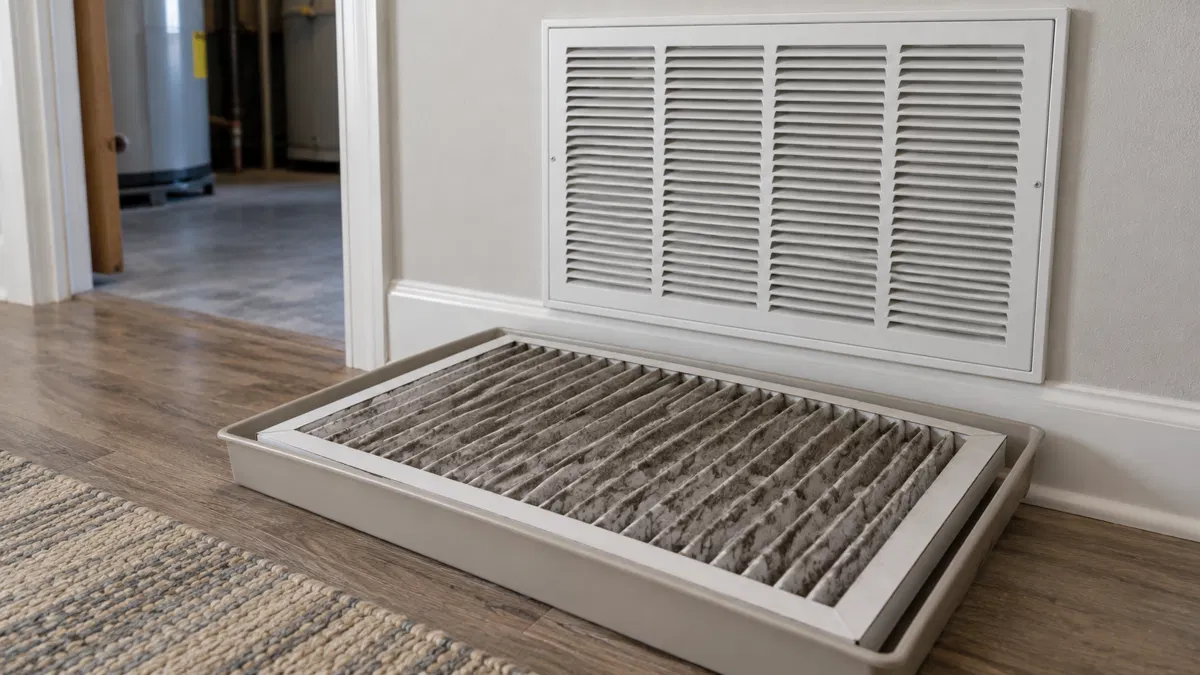
- Do not assume replacing a filter cleans duct interiors, coils, cabinets, or other affected components.
- Do not authorize whole-system duct cleaning solely because a restoration event occurred; establish whether and how the system was involved first.
- Do not treat mechanical repair, electrical repair, refrigerant work, and restoration cleaning as the same scope of work.