
At a glance
What to know
- Correct the leak or moisture source and have affected materials checked promptly.
- The 24–48-hour window is a prevention target. It does not date growth or automatically require demolition.
- Water mitigation manages wet materials. Mold remediation adds controls and physical removal or cleaning where conditions warrant.
What the 24–48 Hour Guidance Really Means
The familiar 24–48 hour message is best understood as a rapid-drying goal, not a countdown clock that proves mold begins at one exact hour. EPA and CDC guidance emphasize cleaning and drying wet materials quickly because prolonged moisture increases the opportunity for fungal growth. Temperature, humidity, material type, existing spores, contamination, ventilation, and how deeply the material became wet all affect what happens next.
Mold Needs Moisture More Than It Needs a Disaster
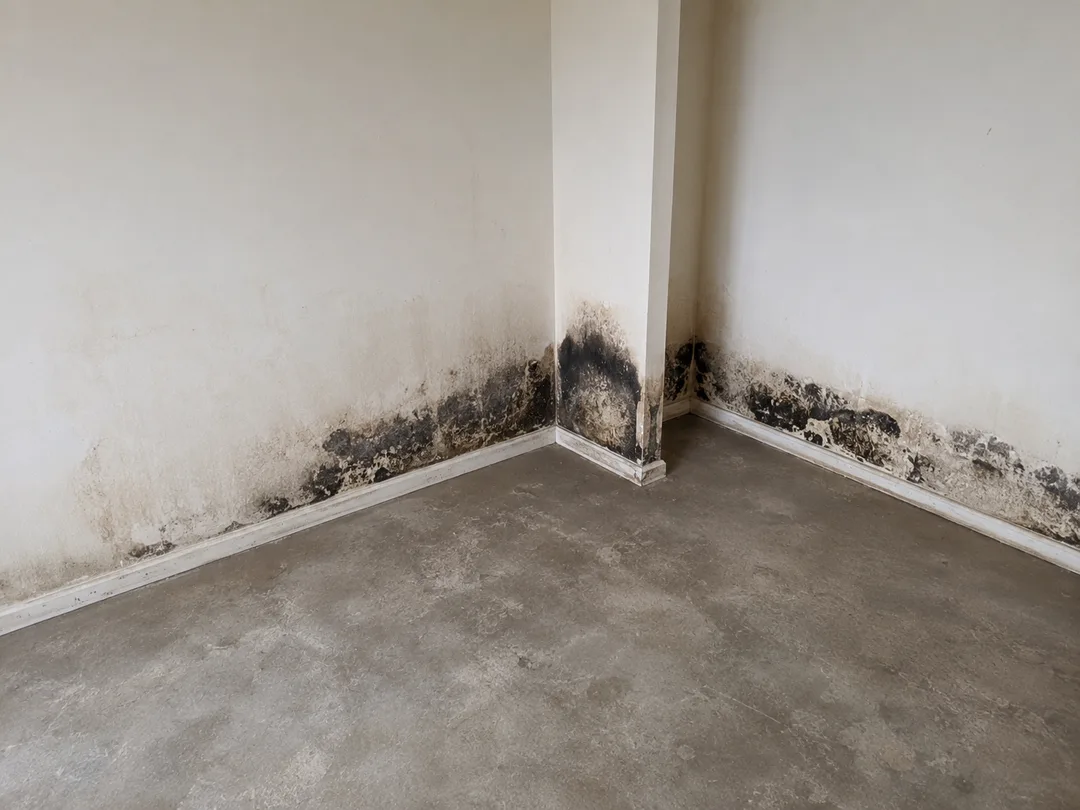
Mold spores are common in indoor and outdoor environments. The restoration concern is not that every wet surface instantly becomes a mold problem; it is that a persistent moisture condition can allow spores to grow on suitable materials. Correcting the leak or moisture source is therefore part of solving the mold problem, not a separate cosmetic issue.
Materials Do Not Respond to Water the Same Way
- Paper-faced drywall and ceiling tile can absorb moisture quickly
- Insulation can trap moisture inside a cavity even when the exposed wall feels dry
- Wood and wood-based products can swell or hold moisture below the surface
- Carpet and cushion can retain water and, depending on contamination, may have different salvage decisions
- Concrete, masonry, plaster, and hardwood can hold moisture for longer periods and may require specialized monitoring
- Cabinets and built-ins can hide moisture at toe-kicks, backs, seams, and wall interfaces
Water Mitigation and Mold Remediation Are Related but Different
Water mitigation focuses on stopping active damage, removing water, managing affected materials, and drying the structure. Mold remediation focuses on correcting the moisture condition and physically addressing fungal contamination and affected materials using appropriate controls. A delayed or incomplete water response can create conditions that later require a separate mold-remediation strategy.
What Customers Should Do After a Water Event
- Stop or isolate the water source if it is safe and within your control
- Report the loss promptly so hidden moisture can be evaluated
- Remove small loose valuables from the affected area when it is safe to do so
- Keep restoration equipment operating as directed once a drying system is established
- Report musty odors, new discoloration, recurring dampness, or visible growth if they appear during or after drying
What Customers Should Avoid
- Do not wait for a visible mold colony before addressing persistent moisture
- Do not aim household fans directly at visible mold growth
- Do not paint over, caulk over, or cover visible mold as a substitute for addressing the source
- Do not assume that drying equipment automatically removes existing mold contamination
- Do not spray random chemicals or mix household products in an attempt to prevent mold
- Do not restart or continue a leaking source simply because the visible water was removed
Why Moisture Control Is the Long-Term Prevention Strategy
A successful cleanup is more durable when the condition that allowed the material to stay wet is corrected. Plumbing leaks, roof or building-envelope failures, condensation, drainage, high indoor humidity, appliance leaks, and HVAC-related moisture can all create recurring dampness. Restoration addresses the damage; the responsible trade or property owner must also correct the source so the same condition does not continue.