
At a glance
What to know
- EPA says sampling is usually unnecessary when visible growth is already present. Finding and correcting moisture still matters.
- Serve Xpert assesses visible conditions and performs remediation. Arrange sampling or lab analysis through an independent qualified professional when needed.
- A contractor’s closeout evaluation documents the work. Independent verification follows the project’s agreed criteria when required.
Mold Assessment
Assessment identifies conditions, moisture sources, visible growth, affected materials, extent, and other information needed to determine an appropriate remediation approach. A qualified independent environmental professional may be used when the project, regulation, customer, or third party requires one.
What Mold Testing Can — and Cannot — Tell You
Mold testing can answer specific questions about a sampled location or material, but it is not a complete diagnosis of a building. Sampling represents a point in time. Results can change with weather, ventilation, occupant activity, cleaning, HVAC operation, and the exact location where a sample is collected.
A useful testing plan starts with a defined question: Is a suspicious stain fungal growth? Is there evidence of unusual airborne fungal conditions? Did remediation reduce the identified condition? Testing without a clear question can produce numbers that are difficult to interpret and may not change the remediation decision.
Why Moisture Investigation Matters More Than a Single Spore Count
Indoor mold growth requires moisture. That means the most important question is often not simply “What did the sample find?” but “Where is the moisture coming from, how far did it travel, and are materials still wet?” A property can have a normal-looking air sample while concealed moisture remains inside a wall, floor, ceiling, cabinet, crawlspace, or other assembly.
- Moisture meters can help compare affected materials with known dry or unaffected materials.
- Thermal imaging can help locate temperature patterns that deserve closer investigation, but a thermal image by itself does not prove that mold or moisture is present.
- Visual inspection can identify staining, deterioration, condensation, leaks, and other clues that laboratory results alone cannot explain.
How assessment, mold removal, and verification fit together
1. Understand what is affected
We check accessible materials, visible growth, and moisture to understand the area that needs attention. If sampling or an independent protocol will help guide the work, a qualified environmental professional can provide it.
2. Remove mold and clean the affected area
Serve Xpert contains the work, cleans materials that can be kept, and removes affected material where needed. We explain what moisture needs attention to help protect the cleanup.
3. Review the cleaned area
Serve Xpert checks the work against the agreed scope and documents the areas cleaned. When the project calls for independent verification, a qualified professional carries it out and can include visual review, moisture checks, or sampling.
When Testing May Be Useful
- The source or extent of a condition is disputed.
- A customer, property manager, lender, buyer, seller, insurer, regulator, or other third party requires documented testing.
- The property involves a sensitive or complex environment where an independent environmental professional is appropriate.
- A remediation protocol or post-remediation verification is requested.
- There is no visible growth, but building history and moisture conditions raise a specific question that sampling may help answer.
When Testing May Not Be the First Step
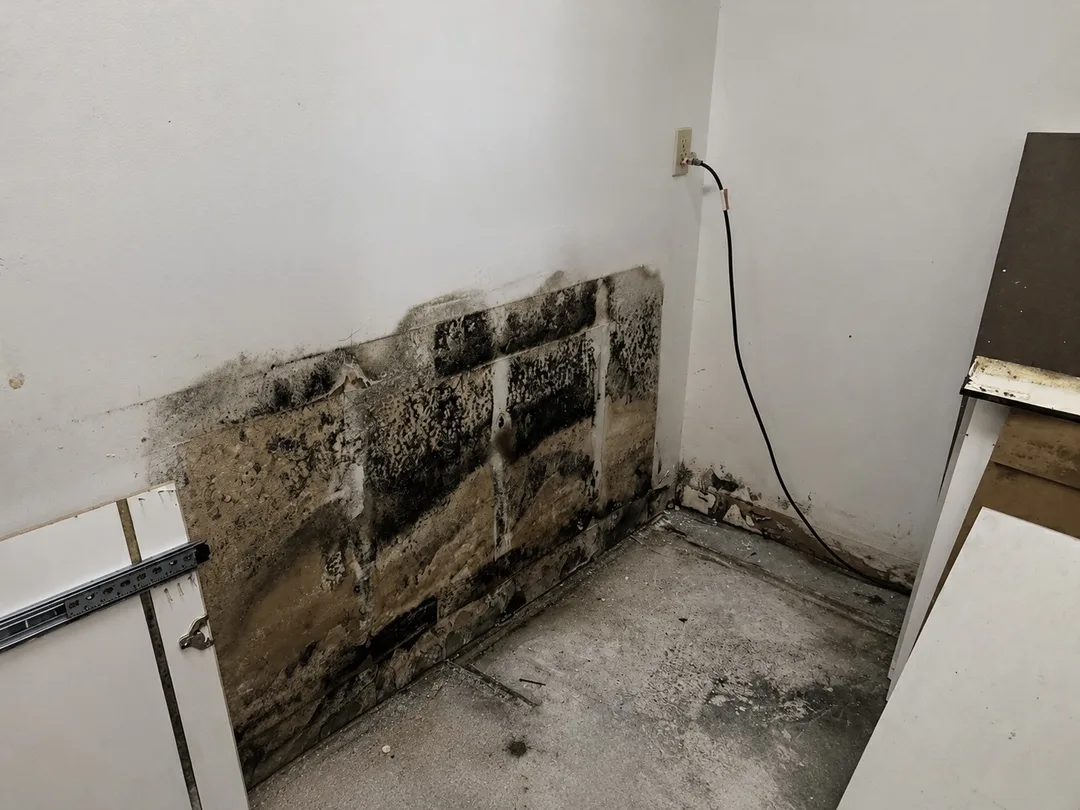
If visible mold is present and the moisture source is already known, sampling may not be necessary simply to confirm that remediation is needed. In many situations, the more urgent priorities are stopping the moisture source, determining the affected extent, protecting occupants and unaffected areas, and developing the correct remediation plan. Requirements can differ by project and jurisdiction, so testing should be used when it adds information that changes a decision or is otherwise required.
Questions to Ask a Mold Testing or Assessment Provider
- What specific question is the sampling plan designed to answer?
- Who will collect the samples, and who will analyze them?
- How will outdoor or control conditions be considered when relevant?
- Will the report explain moisture conditions and building observations, or only laboratory numbers?
- If remediation is performed, who will determine whether independent post-remediation verification is needed?
- Are there project-specific regulations or licensing requirements that apply in the property’s jurisdiction?