
At a glance
Key takeaways
- A useful clue is repeatedly damp wallboard or fabric.
- Some methods group fungal types or use older taxonomic names.
- The material investigation controls the remediation plan.
Using the laboratory’s exact wording
A property owner may see Ulocladium on a report and wonder whether that means serious flooding. The name can point toward moisture-related questions, but it cannot prove a particular water event, how long it lasted or which room contains growth.
What if the report uses a different or grouped name?
Ask the person who issued the report how the laboratory used that label. For the restoration estimate, we connect the reported location with documented moisture and actual material damage. That keeps a question about terminology separate from a decision to remove a wall.
Wet finishes, stored contents and prior repairs
- Continuously damp wallboard. Water-damaged gypsum products can retain moisture and provide nutrients for fungal growth.
- Wet fabric and carpet materials. Repeated dampness or a past water loss can affect textiles and their backing.
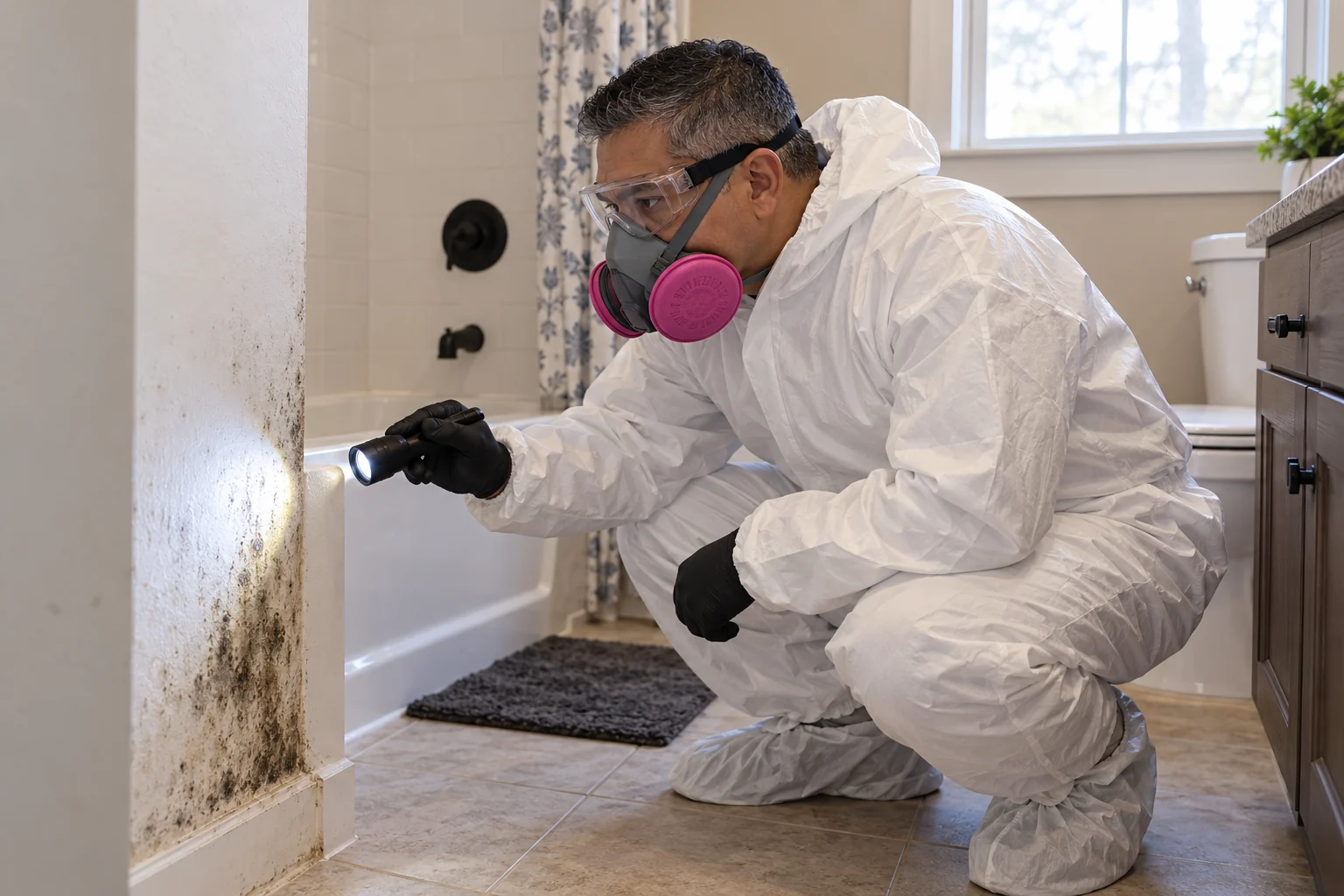
- Bathroom and lower-wall finishes. Condensation, splash or leaks can wet suitable materials, but the specific cause needs inspection.
Helpful answers
Frequently asked questions
Does Ulocladium always mean a major flood happened?
No. It can be associated with sustained moisture, but the name cannot identify the event, amount of water or date.
Does a spore result tell me what to tear out?
No. Material condition, visible growth, moisture, contamination and access determine cleaning versus removal.