
At a glance
Key takeaways
- Paper, wallpaper and textiles deserve careful condition checks.
- An Aspergillus/Penicillium-like label is not a species identification.
- Preservation depends on condition and the limits of cleaning.
When a report groups several molds together
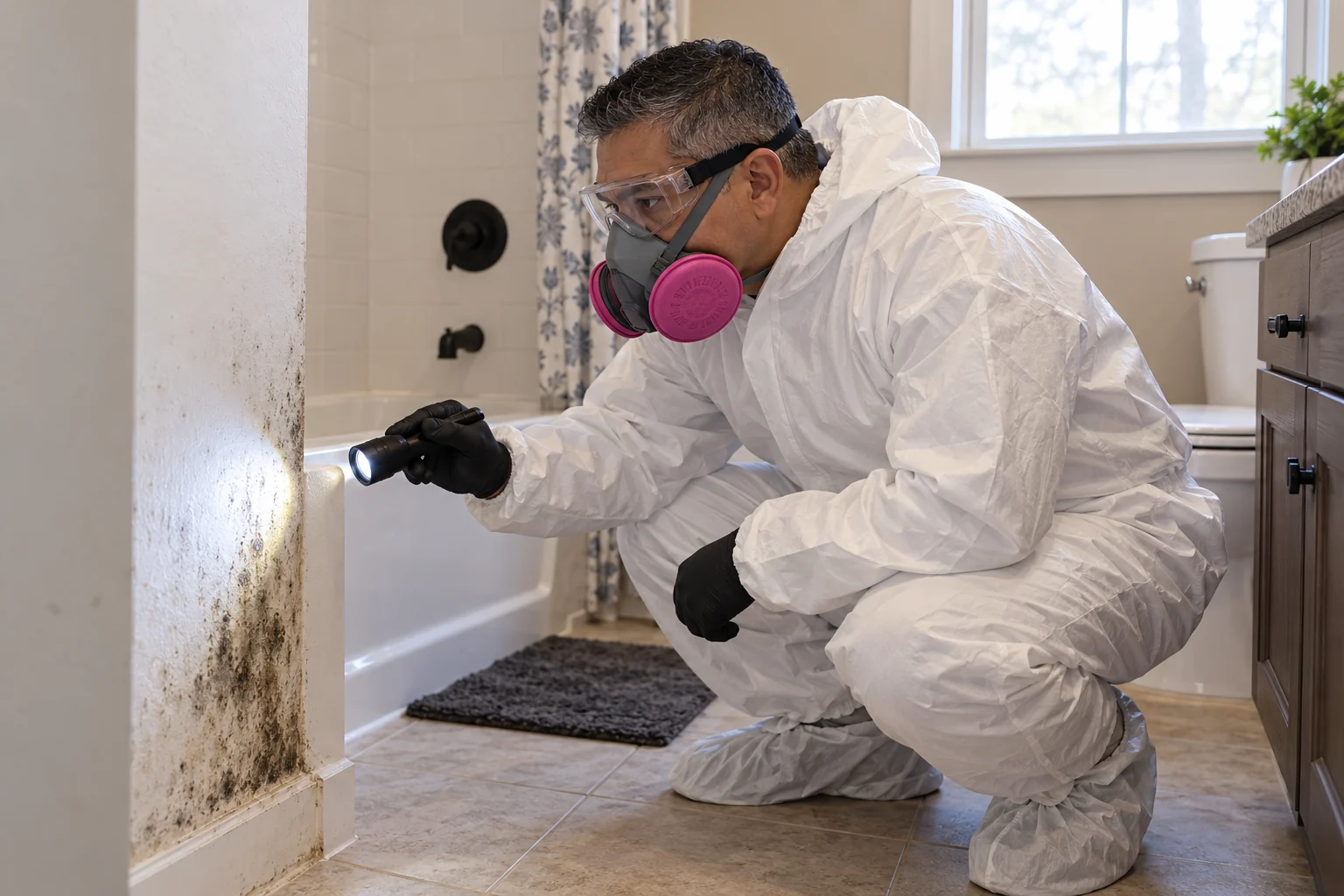
Penicillium often becomes a concern after an indoor air test lists it or after a musty odor appears around stored belongings. Instead of treating the name as a verdict, we ask whether the material is wet, whether growth is present and what can be cleaned.
Which belongings can be kept?
A damp cardboard box, an upholstered chair and a sealed shelf need separate decisions. We inspect the item itself, its backing and the surface against it. The scope can distinguish disposal of a container from cleaning its contents.
Materials to check after a storage area gets wet
- Wallpaper and painted wall surfaces. Moisture can become trapped behind coatings or wallpaper, especially near repeated leaks.
- Boxes, documents and stored contents. Cardboard and paper absorb humidity and may remain damp in crowded storage areas.
- Carpet, padding and upholstery. Wet textiles can hold dust and organic material. Successful cleaning depends on how deeply contamination entered.
Helpful answers
Frequently asked questions
Can I identify Penicillium from a green or blue-green stain?
No. Indoor mold colors overlap, and color is not a reliable genus or species test.
Can damp boxes be cleaned and kept?
Some contents can be cleaned or salvaged, while heavily affected porous paper may be unsuitable for restoration. Each item is evaluated.