
At a glance
Key takeaways
- A common spore type is not automatically an abnormal indoor condition.
- Repeated wetting at windows and finishes can matter.
- Separate laboratory detection from observed material growth.
Understanding an indoor air result
Someone may receive an air report with Cladosporium as the largest category and assume their walls are contaminated. The report needs context. Outdoor levels, weather, sampling locations, surface observations and moisture findings shape the answer.
Why does the same sill keep getting spots?
We check the sill, frame and neighboring paint for repeated dampness. A recurring moisture pattern at the glass suggests a different follow-up from water coming through the opening during rain. A photo from the next time it gets wet can help show the difference.
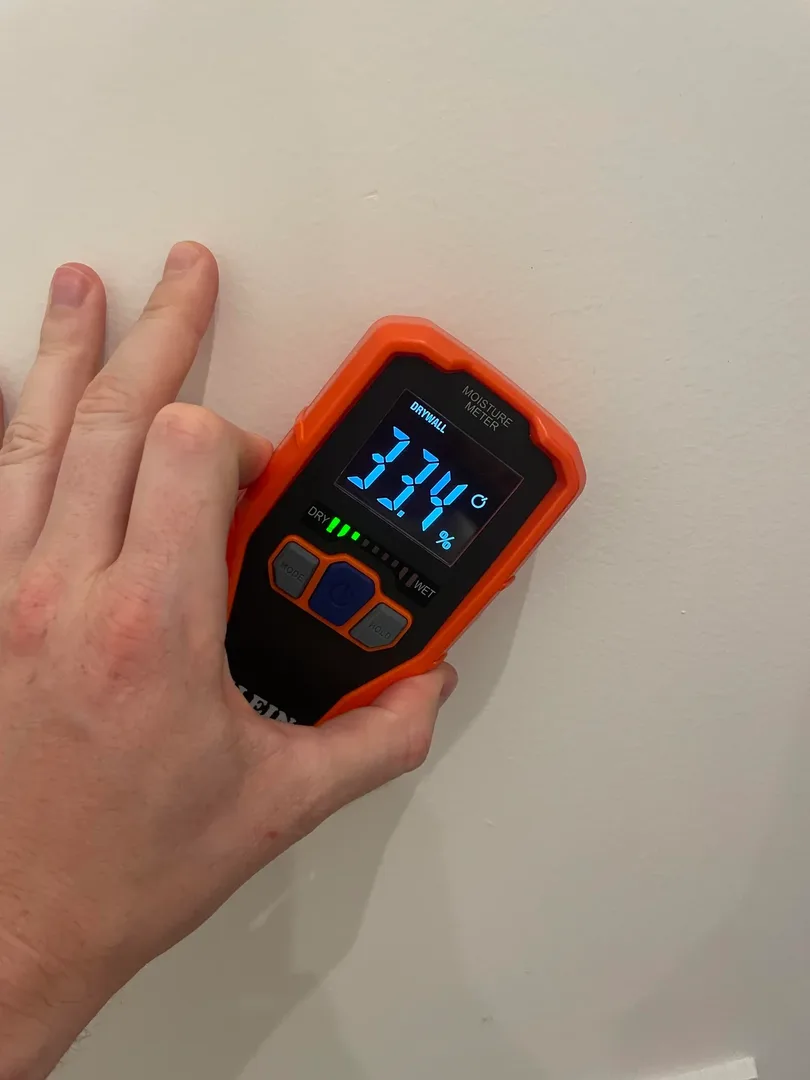
Where to look for persistent surface dampness
- Windows and condensation-prone trim. Water accumulating on sills and nearby finishes can create local damp conditions.
- Bathroom and kitchen finishes. Condensation and repeated surface wetting can keep dust-covered surfaces moist.
- Wood, painted surfaces and framing. Some damp coatings or wood-related materials can support growth; identify the moisture pathway first.
Helpful answers
Frequently asked questions
Is Cladosporium always a sign of a leak?
No. It is common outdoors and often present indoors as background spores. A leak is established from building evidence, not the spore name.
Does an indoor/outdoor ratio diagnose the building?
No. Sampling design, weather, ventilation, observation and other factors matter. There is no single federal mold-spore pass/fail ratio.