
At a glance
Key takeaways
- Wet paper-faced or wood-related products deserve close attention.
- Air samples cannot replace a targeted moisture investigation.
- Disturbance controls depend on the actual scope and material condition.
How to connect the report to the loss
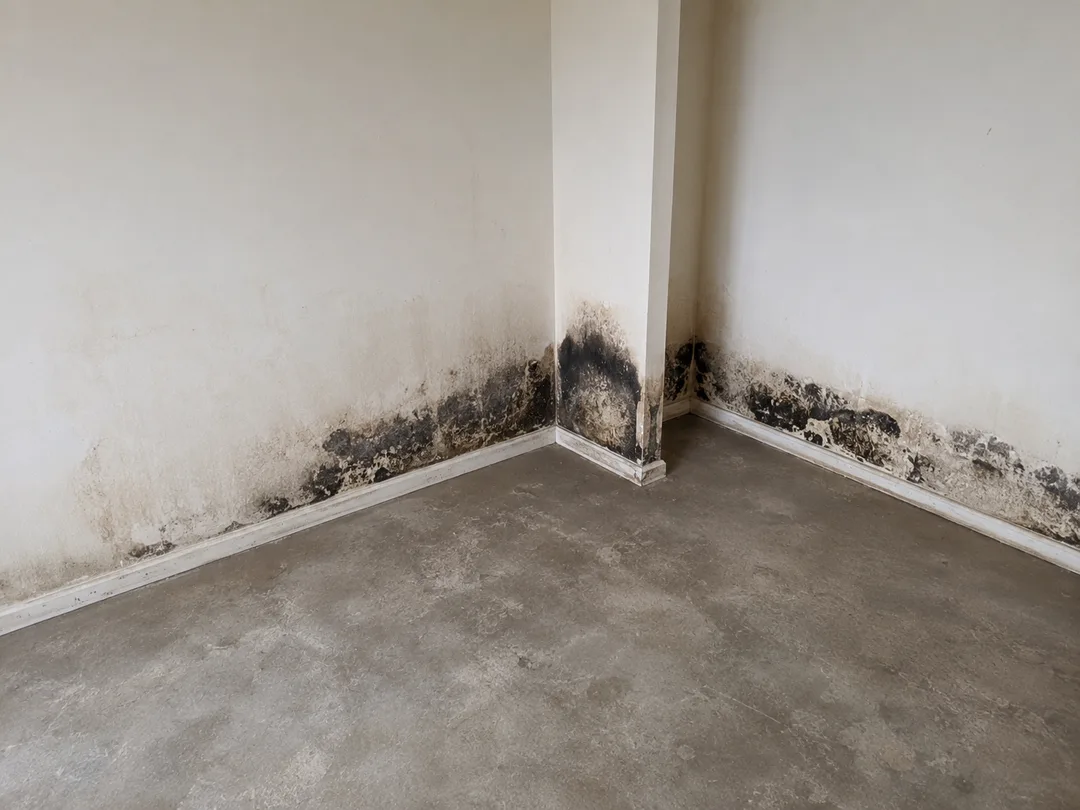
Chaetomium sometimes appears on a third-party report after a known water loss. The immediate question is whether building materials stayed wet, whether the contaminated area is visible or concealed, and how material condition affects cleanup.
Does the wall have to be opened?
We compare the leak history with the accessible edges of the affected wall. If checking behind the finish would change the scope, we explain where an opening would be useful and what we expect to learn before work starts.
Finished walls and material hidden behind them
- Paper-faced drywall. The paper layer can retain water after a plumbing or roof leak and support growth when wetting persists.
- Behind baseboards or cabinets. Water can reach concealed paper and dust-covered surfaces without an obvious front-facing stain.
- Ceilings below a leak. Water moving across framing can wet gypsum board or insulation in less visible areas.
Helpful answers
Frequently asked questions
Does Chaetomium mean there was long-term water damage?
It can be associated with moisture-damaged cellulose, but a genus name cannot date an event or identify its exact source.
Do you remove every wall that might have Chaetomium?
No. We evaluate the documented affected area, damage, contamination, access and cleaning feasibility before proposing removal.