
At a glance
Key takeaways
- An air-sample label may be broad rather than a true species ID.
- Moisture and visible growth define the cleanup question.
- Some wet porous products require removal; suitable structural surfaces can often be cleaned.
What the sample label means
People often see Aspergillus mentioned in air-sampling reports and assume the count proves there is a growing colony indoors. It does not. You have to separate what was actually collected in the sample from what the building investigation found.
Where should the inspection start?
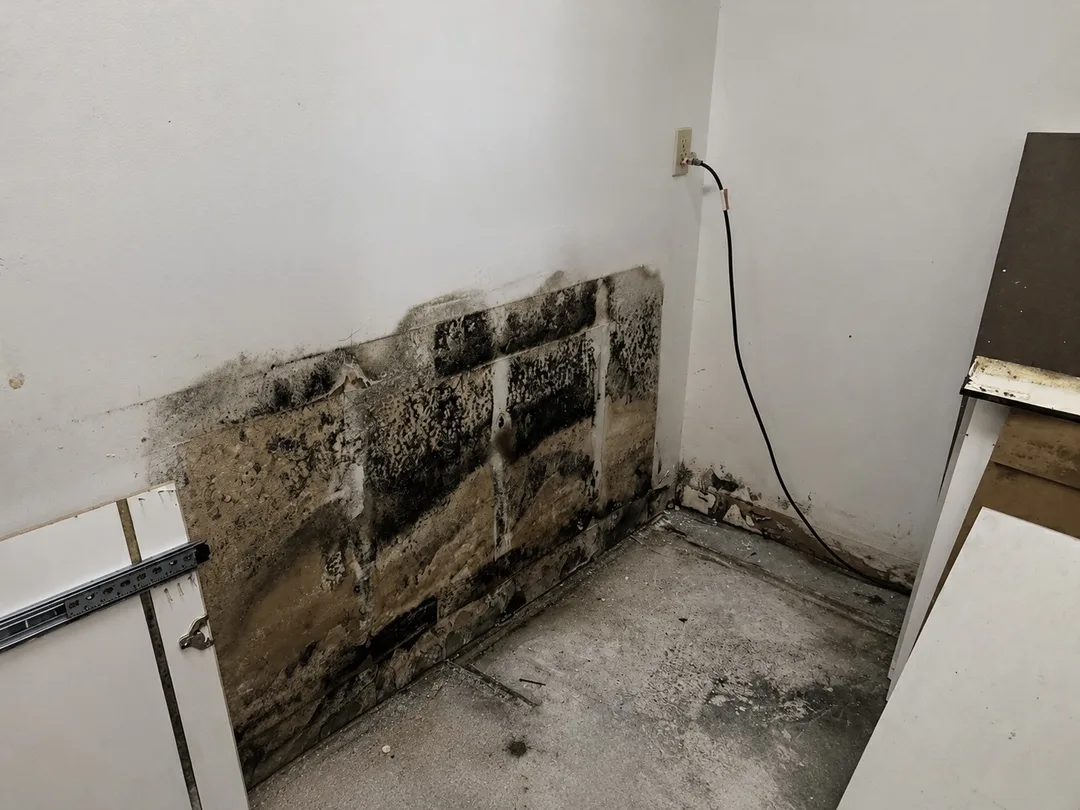
Match the room on the report to any known leak, damp drywall or stained ceiling. A repair record or a photo taken before the wall was painted can help connect the report to a specific area to inspect.
Which parts of the room need inspection?
- Drywall and wall cavities. Water-damaged drywall paper or dust on a concealed surface can provide nutrients when moisture persists.
- HVAC-adjacent spaces. Moisture at a condensate pan or nearby wall can support growth. Duct interiors need separate qualified evaluation.
- Carpets, fabrics and stored items. Damp textiles and stored materials hold dust and organic matter. Their condition determines whether they can be cleaned.
Helpful answers
Frequently asked questions
Is a high Aspergillus/Penicillium air result proof of hidden mold?
No. It calls for interpretation alongside outdoor or comparison data when applicable, sample conditions, building observations and moisture measurements.
What if the wall looks clean?
A clean-looking wall does not settle whether a leak affected material behind it. Moisture investigation and a qualified assessment determine whether further access is warranted.